



In this episode of Neural Compass, host Mark Jacobstein sits down with Michael Platt — neuroscientist, neuroeconomist, and professor across Penn's medical school, arts and sciences, and Wharton — for a conversation that moves from a hurricane-hit island of monkeys to Zoom fatigue to the fertility crisis, and lands somewhere clarifying about what the brain is actually built for.
In 2017, Hurricane Maria devastated Cayo Santiago — Monkey Island — and the researchers who had been studying its rhesus macaque population for two decades kept watching. What they found was not what stress research predicts. In the aftermath of maximum scarcity, the monkeys didn't compete harder. They became nicer. And seven years later, the ones who became the most prosocial were 50 percent more likely to still be alive.
New episodes every two weeks. This one is for anyone who has ever felt exhausted by a full day of video calls and couldn't explain why.
This episode covers:
- Why the brain is a Swiss army knife, not a computer — and what that means for every mental health intervention
- What Hurricane Maria did to monkey biology: one year of post-disaster stress aged them two years, at the cellular level
- Why Zoom breaks the social brain network — and why the fix is a solved problem nobody has bothered to build
- The task network vs. the innovation network: why you cannot be focused and creative at the same time, and what walking meetings actually do
- Why the global fertility decline may be a mental health problem — and how loneliness, despair, and declining birth rates feed each other
About the Speakers
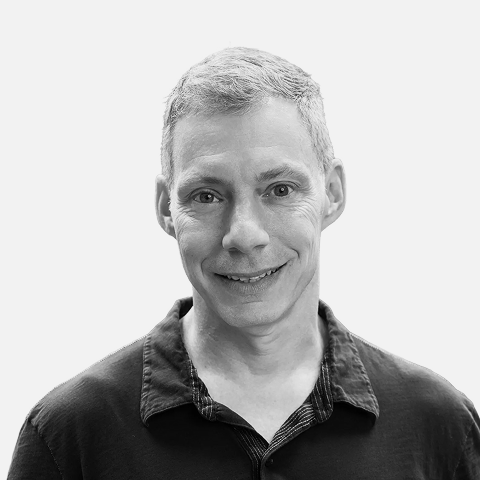
Mark Jacobstein, Host
is the co-founder and president of Jimini Health. A longtime entrepreneur at the intersection of AI and health tech, he now leads Jimini’s mission to transform mental and behavioral health through clinically grounded, AI-powered care.

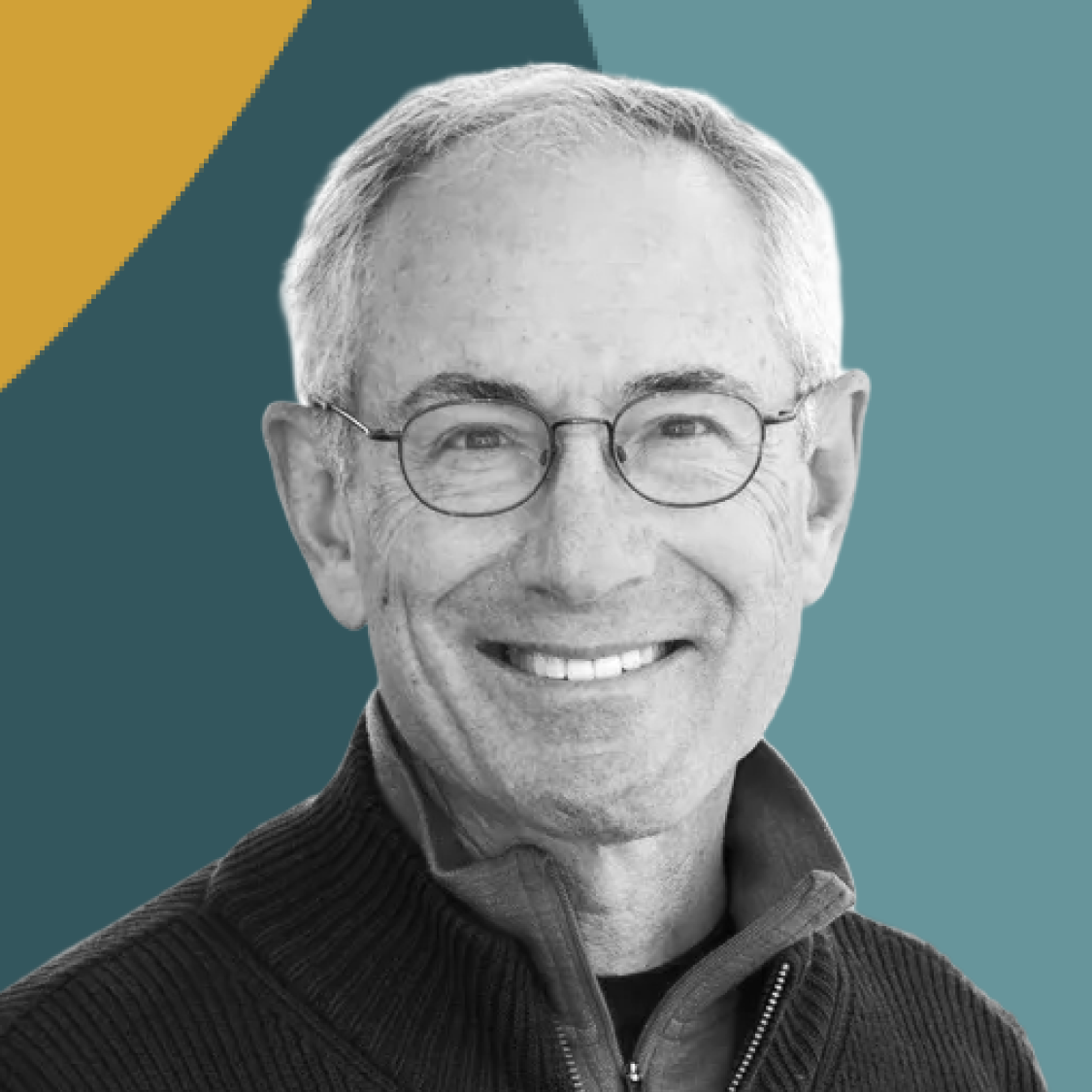
Michael Platt, Guest
is a neuroscientist and neuroeconomist at Penn with joint appointments across the Perelman School of Medicine, the School of Arts and Sciences, and Wharton. His research spans primate behavior, social neuroscience, and leadership — often at the same time.
He has spent years studying a population of rhesus macaques on a small island off Puerto Rico, tracking what happens to animals — biologically, epigenetically, socially — when catastrophe strips everything away. What he found after Hurricane Maria surprised him.
His book The Leader's Brain has a second edition due in October 2025, updated for AI. He recommends Klara and the Sun by Kazuo Ishiguro as required reading for anyone thinking about AI companions and the future of human connection.



For healthcare executives, researchers, investors, and anyone who thinks the mental health crisis deserves serious answers — this is the show.