




Episode Description
In this episode of Neural Compass, host Mark Jacobstein sits down with Dr. Nikos Daskalakis — professor at Harvard Medical School, McLean Hospital, and principal investigator at the National Center for PTSD — for a conversation about why the simple story of stress and trauma has always been wrong, and what the more accurate one looks like.
The simple model said: exposure causes harm. More exposure causes more harm. Daskalakis spent his PhD reading developmental psychology papers at night and grew skeptical. The organism is not passive. It is being configured. The outcome depends on which three hits you got, and in what order.
New episodes every two weeks. This one gets deep into the biology — and arrives somewhere that will change how you think about resilience.
This episode covers:
- Dandelions and orchids: why early adversity destroys some people and produces something extraordinary in others
- What blood samples from PTSD patients can tell you about a brain you can't biopsy
- The rat study that protected 70 percent of subjects from PTSD-like symptoms — and why it can't be a clinical protocol yet
- How a custom glucocorticoid signaling pathway finally separated PTSD from depression at the molecular level, after years of them looking identical
- Whether trauma can be transmitted epigenetically across generations — and why the question may never be fully answerable in humans
About the Speakers
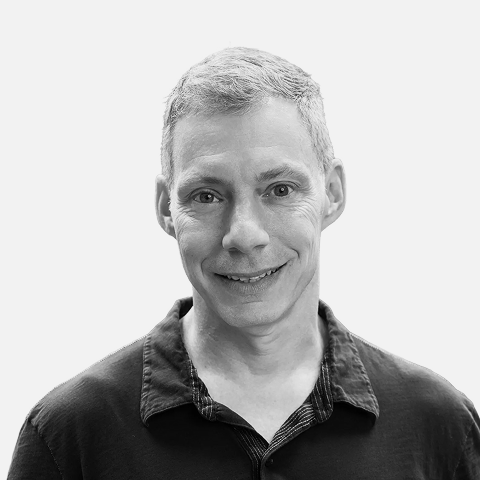
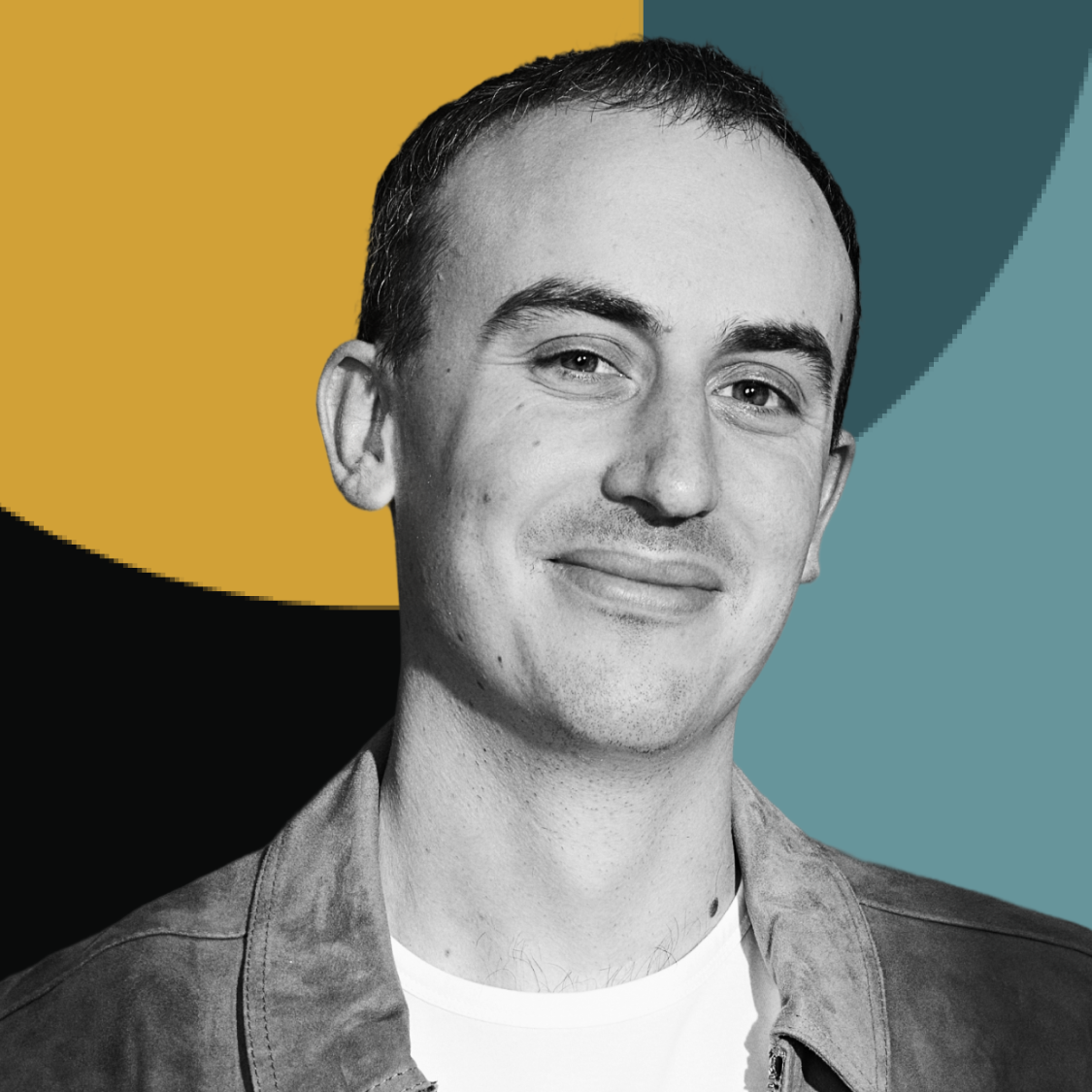
Mark Jacobstein, Host
is the co-founder and president of Jimini Health. A longtime entrepreneur at the intersection of AI and health tech, he now leads Jimini’s mission to transform mental and behavioral health through clinically grounded, AI-powered care.
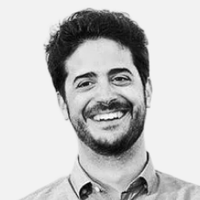
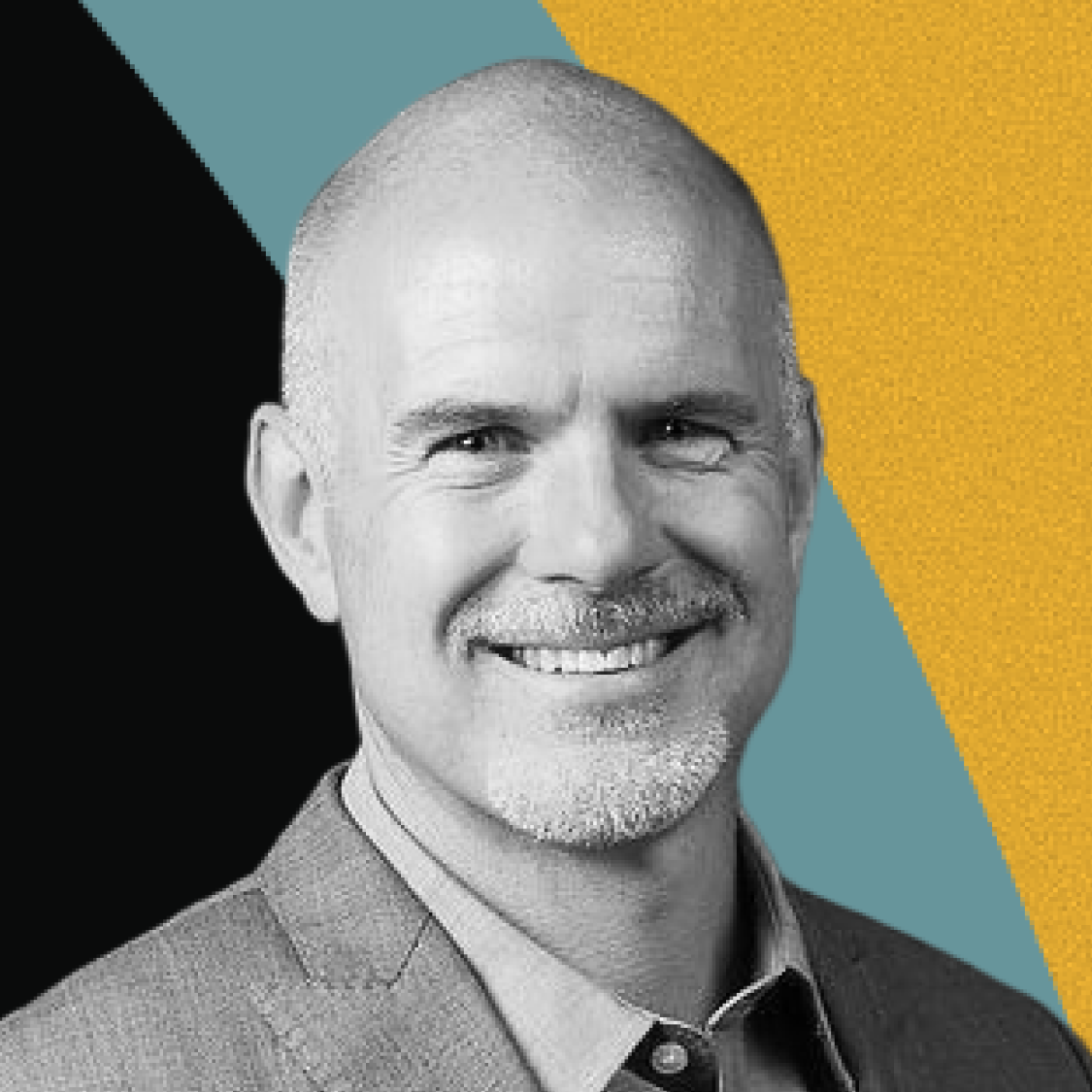
Nikos Daskalakis, Guest
is a professor at Harvard Medical School and McLean Hospital and a principal investigator at the National Center for PTSD. He spent his PhD growing skeptical of the simple stress model — the one where exposure causes harm and more exposure causes more harm — and has spent his career since building a more accurate one.
His work spans transcriptomic imputation, glucocorticoid receptor signaling, and one of the largest multiomics studies of post-mortem brain tissue ever conducted. The question running underneath all of it: why do some people break under trauma, and others don't — and can we eventually predict which is which before it happens.
He is thinking about the French Revolution.


For healthcare executives, researchers, investors, and anyone who thinks the mental health crisis deserves serious answers — this is the show.