




In this episode of Neural Compass, host Mark Jacobstein sits down with Dr. Keith Humphreys, Stanford professor, addiction expert, and adviser to multiple US presidents, for a conversation about what policy can and can't do when it comes to substance use, why the Oregon decriminalization experiment failed where Portugal succeeded, and what actually drove the largest single-year drop in overdose deaths ever recorded.
Keith came to addiction research by accident: a friend walked into the Wendy's where he was flipping burgers and told him about a job that paid a dollar and five cents more an hour. He has spent four decades since trying to understand why human beings will prioritize a drug over food, relationships, and survival itself. He has not stopped finding it fascinating.
New episodes every two weeks. This one covers the full picture: supply shocks, social norms, 12-step programs, GLP-1s, and the one thing Keith can guarantee about addiction.
This episode covers:
- What caused the 27% drop in overdose deaths in 2023 and why China is the most plausible explanation
- Why Oregon's decriminalization experiment failed and what Portugal actually did that Oregon didn't
- Why social norms explain more about drug use than the law ever could
- What the science actually shows about Alcoholics Anonymous, and why Keith doesn't care how someone recovers
- Why GLP-1 drugs may be the most interesting new frontier in addiction treatment, and what prevention still gets wrong
About the Speakers

Mark Jacobstein, Host
is the co-founder and president of Jimini Health. A longtime entrepreneur at the intersection of AI and health tech, he now leads Jimini’s mission to transform mental and behavioral health through clinically grounded, AI-powered care.

Keith Humphreys, Guest
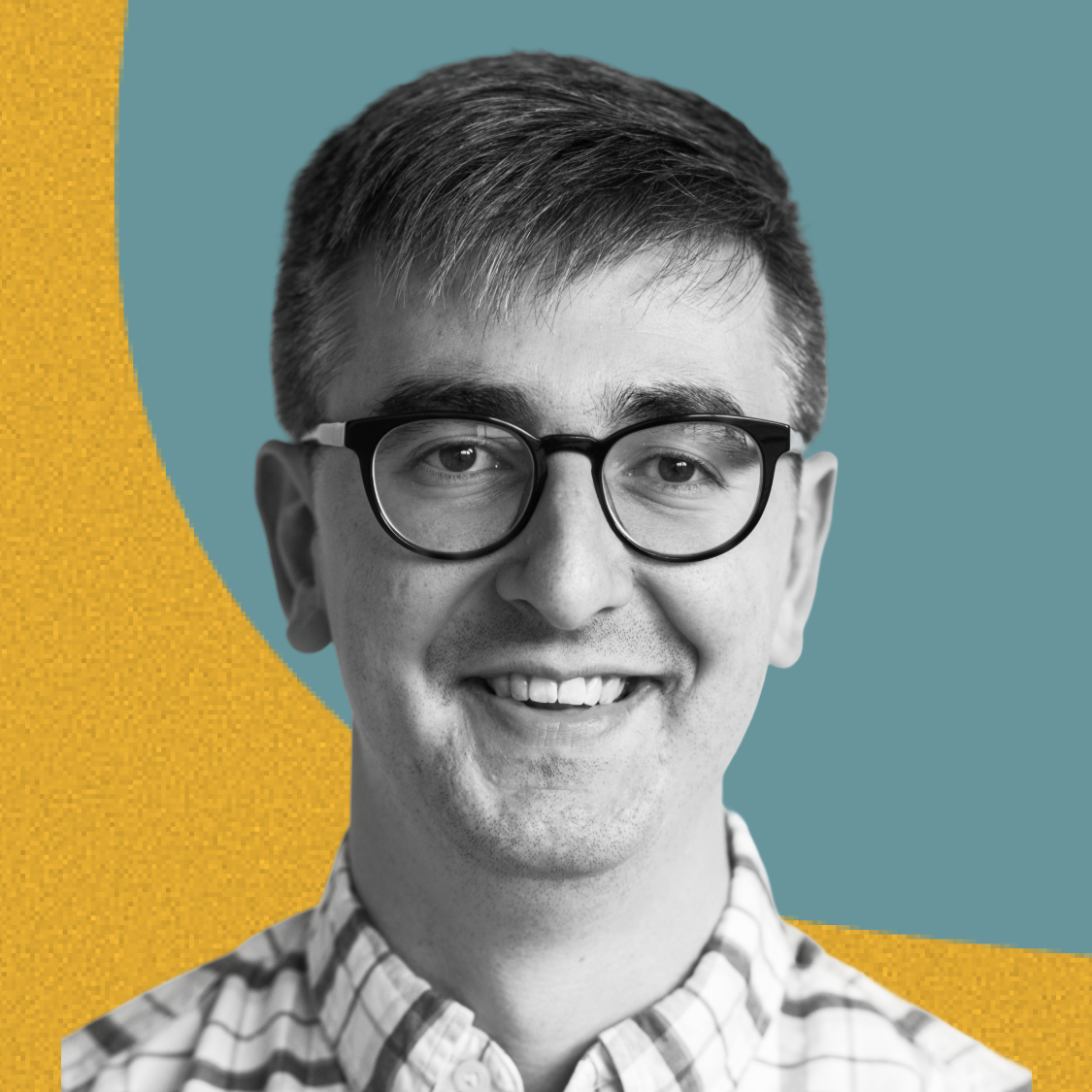
is a professor at Stanford and one of the world's leading experts on addiction policy and treatment. He has advised at least three US presidents, spent a year in the Obama White House as senior drug policy adviser shaping how the Affordable Care Act treated substance use disorder, and has done foundational research on everything from Alcoholics Anonymous to naltrexone to the fentanyl supply chain.
He volunteered in the Tenderloin before it was a policy talking point. He is an OBE. He is, apparently, a remarkably sharp dresser by Stanford professor standards.



For healthcare executives, researchers, investors, and anyone who thinks the mental health crisis deserves serious answers — this is the show.