




Episode Description
In this episode of Neural Compass, host Mark Jacobstein sits down with Adam Mastroianni — psychologist, writer, and creator of Experimental History — for a conversation about why science keeps missing the most important questions, why some conversations take off and others die, and what it would actually take to understand the mind well enough to fix it.
The entry point is a study that cost $1,500 and went viral. Ask people how 52 different things could be different — including things they love, including COVID at the height of the pandemic — and 90 percent of them, across languages and populations, imagine how things could be better. Nobody said the case fatality rate could be higher. Nobody said love could be harder to find. The effect survived seven attempts to kill it.
New episodes every two weeks. This one covers more ground than most — and leaves you with better questions than it started with.
This episode covers:
- Why 90 percent of people across virtually every population only imagine improvement — and what seven failed attempts to disprove it revealed
- The legibility trap: why the most important questions in science are the ones that can't be put in a grant application
- Why conversations die — and the improv framework that explains how to stop it from happening
- Why depression is probably not one disease — and what it would mean to actually understand it mechanistically
- Why the music from your youth seems better, and why science seems to have peaked in the past: the filter of time removes everything that didn't matter
About the Speakers

Mark Jacobstein, Host
is the co-founder and president of Jimini Health. A longtime entrepreneur at the intersection of AI and health tech, he now leads Jimini’s mission to transform mental and behavioral health through clinically grounded, AI-powered care.

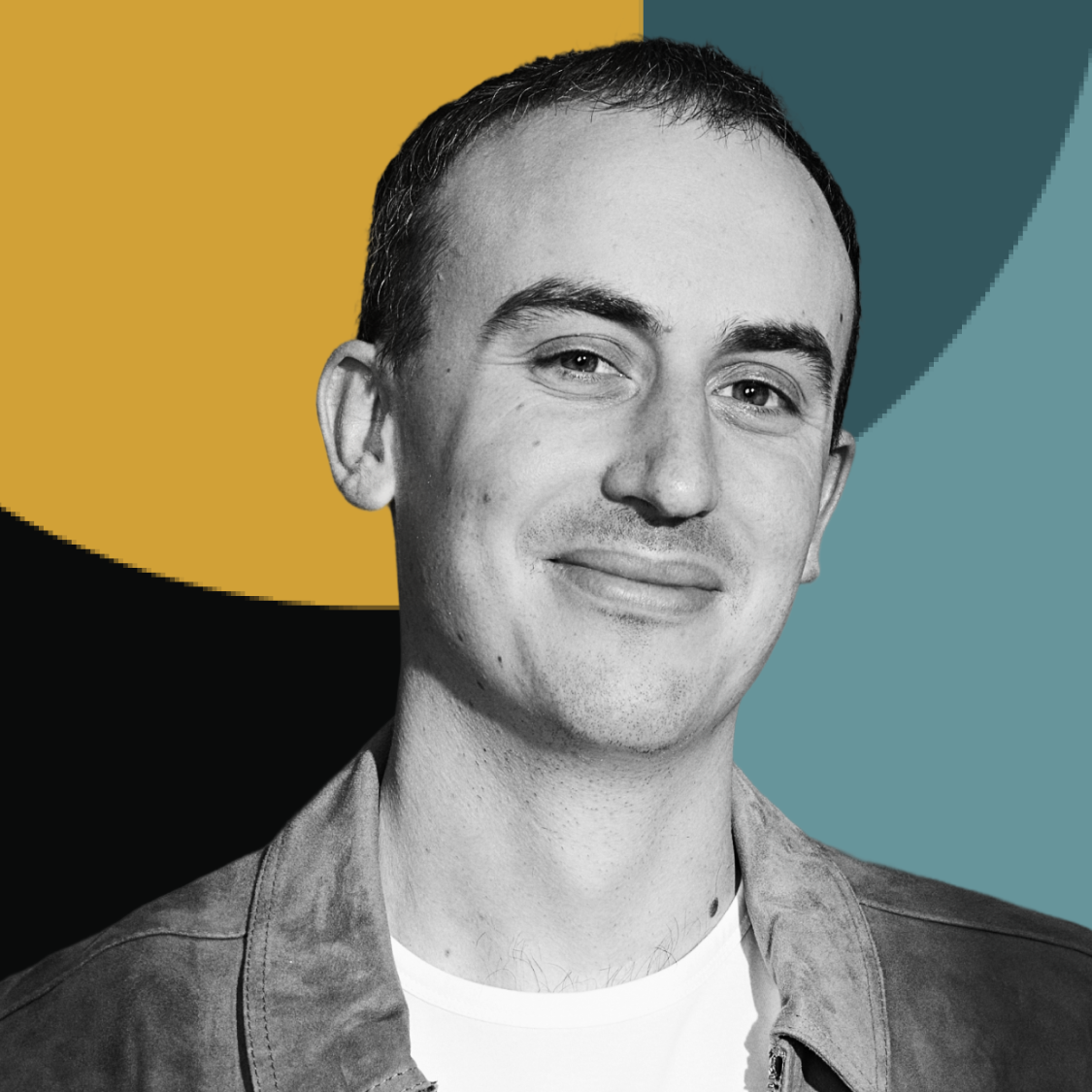
Adam Mastroianni, Guest
writes Experimental History, one of the more widely read independent science publications on Substack. He left academia after concluding that staying would require making his work legible to reviewers at a distance — smoothing over the parts that didn't fit, pretending he had found what he set out to find.
His most-read paper cost $1,500, was posted on a preprint server, and was discovered through a Twitter bot. It received more substantive feedback than anything he formally published. He considers both facts equally important.
He writes at experimentalhistory.substack.com.







For healthcare executives, researchers, investors, and anyone who thinks the mental health crisis deserves serious answers — this is the show.